Wednesday, 17 January 2024

The Birders - Bird of the Year

Let’s hear from some of the local and visiting birders who made the amazing birding count of 2023 possible. What was their most memorable local bird sighting of the year is the question we are asking them?
Curlew Sandpiper
A mega-rare and gorgeous Curlew Sandpiper (Calidris ferruginea) in breeding plumage, with its striking brick-red feathers, was the bird of the year for two experienced local birders, Dr. John Webster and Niels Larsen. John spotted this exceptional bird in St. Philip on May 29th, 2023 (read here), a remarkable discovery for both the island and the region.
Little/House Swift
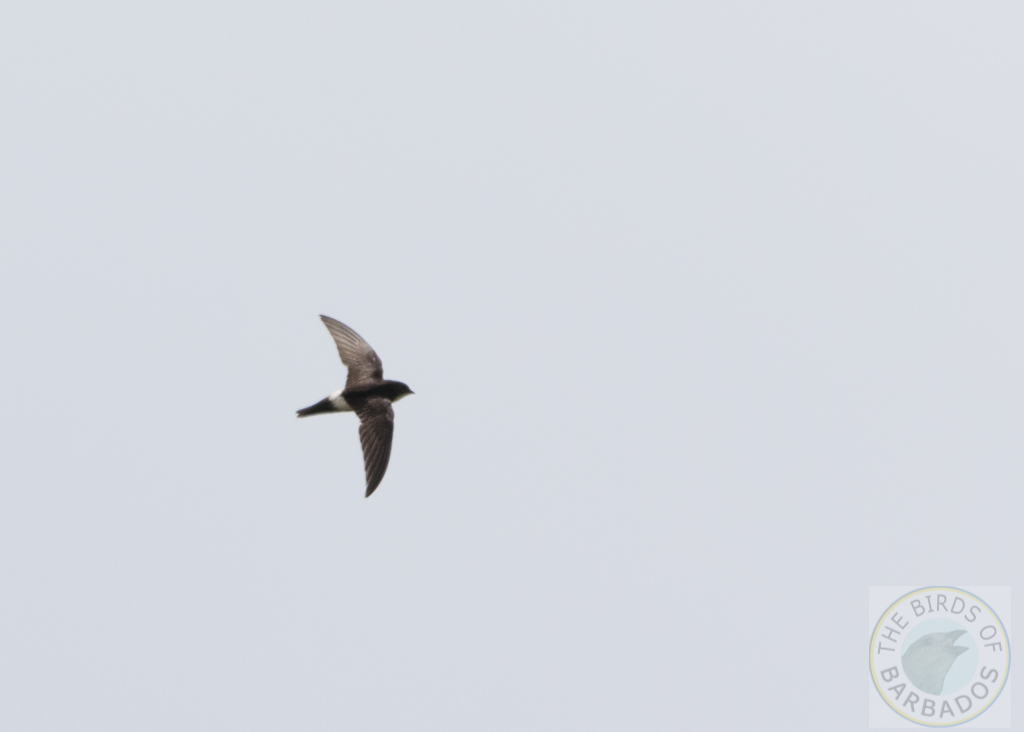
The Little/House Swift (Apus affinis/nipalensis), a new record for Barbados and possibly the western hemisphere, was Ed Massiah and my bird of the year. It was first sighted on June 3rd and then again at the Hilton Hotel by a visitor named David Hollie on June 24th, where Ed saw it for the first time. When asked what was his bird of the year? Ed exclaimed, “It can only be one, Little\"House" Swift by a long margin.”
Osprey KW0
Our rookie birder on the island, Mike St. John, had an impressive year in 2023. He moved his local life count over the 100 species threshold and saw the second most species for 2023. His bird of the year was a sensational find: a banded Osprey (Pandion haliaetus) with the tag KW0, spotted on March 9th. Ospreys are not uncommon during migration, but this one was extraordinary. It was tagged as a young bird in Scotland and ended up here in Barbados on its first journey. This amazing feat made headlines on major and minor news networks, giving the island some free publicity. For Mike, this incredible voyage was the key factor in crowning this Osprey his "bird of the year." To him it wasn't just about rarity - of which he saw a few or a potential first record - of which he got in 2023; it was about the embodiment of resilience that defines so many migratory birds.

A photograph of the Little/House Swift at Hilton Barbados by Nigel Lallsingh
In June Trinidad and Tobago's top ebirder, Nigel Lallsingh, made a brief visit to our island. When I asked him what his Barbadian bird of the year was, his response was that the Little/House Swift is my number one bird that I saw in 2023. He saw the bird at the Hilton and got good images of the bird, many of which were passed on to the experts for use in making a positive identification.

The island’s birdlife revealed its mysteries to us in 2023, thanks to the efforts of every birder, whether local or visitor. Each sighting had its own story to tell. We look forward to more birding adventures in 2024 and sharing them with you. We hope our stories will inspire you and show you the magic that happens when we pay attention to the world of birds. Especially the Birds of Barbados.

Enjoy your Birding!

Saturday, 13 January 2024

2023, An Epic Year of Birds and Birding


Shorebirds in the sunset of 2023
Barbados had a remarkable year of birding in 2023. More than 100 birders, mostly tourists, sent over 1400 checklists to ebird.org, documenting a stunning 126 bird species, the highest tally in over a decade. The year unveiled a treasure trove of rarities, with three, possibly four, species gracing the island for the first time ever: 
They were:
  • House Swift(Apus nipalensis) or Little Swift (Apus affinis), either one would be a first for the island 
  • Mississippi Kite (Ictinia mississippiensis) was seen in July, and
  • Blue-winged Warbler (Vermivora cyanoptera)  
  • Grey-breasted Martin (Progne chalybea) or Brown-chested Martin (Progne tapera) - Another bird that is still with the experts.  This bird was seen and photographed by Quncy Clarck at Harrison's Point, St. Lucy.  If ratified as either one of the two this would be the 127 species for the year.
Some of them had not been seen on the island for over 10 years. These included: 
  • Garganey (Spatula querquedula) which was last seen in 2000 before last year's sighting.

  • Curlew Sandpiper (Calidris ferruginea) seen in 2001 before 2023
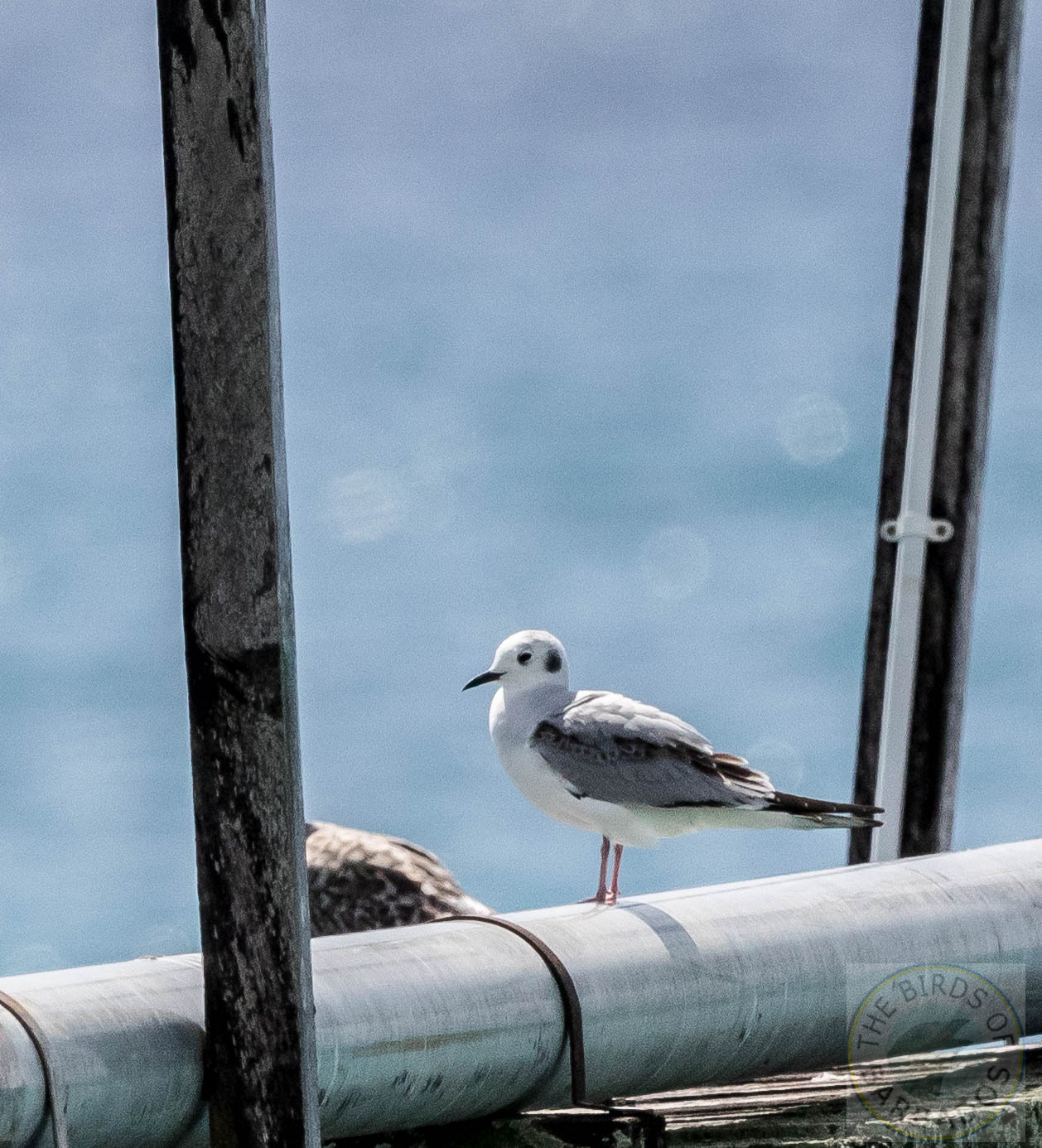
  • Bonaparte's Gull (Chroicocephalus Philadelphia), the last addition for 2023 was last recorded on the island in 1981 at Chancery Lane, that is 42 years ago! (The Birds of Barbados, by Buckley, Massiah et al.)
  • Manx Shearwater (Puffinus puffinus) - the wounded bird found on Morgan Lewis beach, St. Andrew was the second verified record for the island and the first since 2005.
  • Northern Wheatear (Oenanthe oenanthe) was last spotted in 1994 before 2023. Last year's record is the third sighting of this species on the island.
 There were a few other amazing records in 2023. Some of the standout records were: 
  • The incredible voyage of Osprey (Pandion haliaetus) KW0. This bird was tagged as a fledgling in Scotland on June 23rd, 2022, and spotted by local birdwatcher Michael St. John on March 9th, 2023. It is hard to fathom how such a young bird traveled so far.
  • The astounding number of Bobolinks (Dolichonyx oryzivorus) at Harrison’s Point in October. On several occasions, they counted more than 200 birds at a time. They were so abundant that they outnumbered Shiny Cowbirds (Molothrus bonariensis) as the most numerous species in the area, which is no easy feat.
  • The impressive abundance of some shorebird species, especially during the peak migration months. For instance, from September 16th to 19th, more than 300 American Golden Plovers (Pluvialis dominica) were recorded at Chancery Lane, Christ Church, and then more than 600 birds on the island from September 22nd to 26th. These were only the highest peaks of this species’ movement, as a consistent and large migration was observed throughout September.
    Whimbrel
  • Some other bird species that had a higher-than-usual individual count in 2023 were Whimbrels (Numenius phaeopus), Stilt Sandpipers (Calidris himantopus), Red Knots (Calidris canutus), Hudsonian Godwits (Limosa haemastica) Greater Yellowlegs (Tringa melanoleuca), Common Terns (Sterna hirundo) and Glossy Ibis (Plegadis falcinellus).
The remarkable records set by birds in 2023 showed how vital Barbados is as a key destination for winged travelers on their worldwide journeys. From the solo voyage of a brave osprey to the combined force of visiting songbirds and the stunning numbers of migrating ducks and shorebirds, 2023 showcased the diversity and beauty of birds and birding in Barbados. These records were only a sample of what we witnessed in 2023, and we are excited to see what wonders lie ahead in the future. We will keep you updated as always.

I hope you had a wonderful birding 2023 and I do wish you a better 2024, birding-wise and otherwise, and as always - Enjoy your birding. 

Thursday, 4 January 2024

The Barbados Birds and Birding Report - December

December wasn't a month for major avian discoveries in Barbados, but two new feathered friends were still added to the 2023 checklist:

Bonaparte's Gull

  • Bonaparte's Gull (Chroicocephalus philadelphia): This charming gull in non-breeding plumage was seen at Oistins, Christ Church for a few days before disappearing.
    A male Northern Pintail at WSR

  • Northern Pintails (Anas acuta): These elegant ducks with long, slender necks were spotted at two separate locations on the island.

These additions brought the year-end tally of birds seen on Barbados in 2023 to an impressive 126 species, a testament to the island's rich and diverse birdlife. Stay tuned for a more comprehensive review of 2023's birding highlights coming soon!

December's Rare Bird Sightings

Here is a review of the rare bird sighting for December. (*birds that stayed from previous months)

St. Lucy

one of the six long-stay Glossy Ibis

  • Glossy Ibis (Plegadis falcinellus)(6)*- This flock has been loyal to this location since joining a single bird there in October 2022. Seeing one of them with what appears to be nesting material earlier in the year, has sparked hope for Barbados' first ibis chick.
  • Fulvous Whistling-Duck (Dendrocygna bicolor)*(2) –  Long say birds, maybe a pair, often seen with Black-bellied Whistling Ducks (Dendrocygna autumnalis)
    Grey Heron

  • Grey Heron* (Ardea cinerea) - one of the island's annual Eurasian visitor 
St. Thomas
  • Striated Heron (Butorides striata)* - Made a brief appearance at its usual stomping ground at the SBRC pond. 
Christ Church
Bonaparte's Gull
  • Bonaparte's Gull (Chroicocephalus philadelphia) - First seen at the Oistins is pier on the 26th, last seen on the beach at the same location.
    One of the two juvenile Lesser Black-backed Gull at Oistins
  • Lesser Black-backed Gull (Larus fuscus) (2)* - most likely the same juvenile birds seen at Pile Bay, St. Michael in November.
Feel free to contact me, Julian Moore @ 100birdsbarbados@gmail.com, John Webster @ barbadosbirds@gmail.com, or Ed Massiah @ ebmassiah@hotmail.com to report any rare bird sightings, or if you need assistance identifying a bird, we would be happy to help.  A new tool to help with your local bird identification is our Facebook Group, The Birds of Barbados. Click here to join   

Thursday, 14 December 2023

The Barbados Birds and Birding Report - November

Lesser Scaup- one of the species of migratory ducks seen in November
November was a calm month after the busy October we had. We added three new species to our 2023 checklist: Green-winged Teal (Anas crecca), Northern Shoveler (Spatula clypeata), and Manx Shearwater (Puffinus puffinus) ending the month with a jaw-dropping 123 species seen for the year. Meanwhile, more migratory ducks showed up and we saw four different species by the end of the month: Blue-winged Teal (Spatula discors), Green-winged Teal (Anas crecca), Ring-necked Duck (Aythya collaris), and Lesser Scaup (Aythya affinis). In St. Lucy and Christ Church, we observed some large flocks of Blue-winged Teal (Spatula discors) with over 100 individual birds each.

November's Rare Bird Sightings

November was a slow month for new rare bird sightings, and December tends to be even slower. But we still have a chance to see some wintering warblers at Turner’s Hall Woods and the Graeme Hall Swamp that could make 2023 end with a bang. Plus, the rains have filled up the ponds and made them more appealing to some birds, so we might get some surprises in December so stay alert. These are the rare birds that we saw in November, some of which stayed from previous months.

St. Lucy

one of the six long-stay Glossy Ibis

  • Glossy Ibis (Plegadis falcinellus)(6)*- These birds have continued at this location for over a year.
  • Fulvous Whistling-Duck (Dendrocygna bicolor)*(1) – One bird seen among a flock of  Black-bellied Whistling Duck (Dendrocygna autumnalis)
  • Killdeer (Charadrius vociferous) - was seen last on November 5th 
  •  
St. Andrew 

  • Gull-billed Tern (Gelochelidon nilotica)(2)- This pair was seen at various locations
    Manx Shearwater
  • Manx Shearwater (Puffinus puffinus) - This bird was found on the beach at Morgan Lewis in poor condition, and appeared to be caused by a fishing line or net.  It died two days later
    One of the two Prothonotary Warblers seen at Turner Hall
  • Prothonotary Warbler (Protonotaria citrea) - two birds were seen in the Turners Hall Woods during the month. 

St. Philip 
  • Hudsonian Godwit (Limosa haemastica) seen early in the month 
  • Red Knot (Calidris canutus) (2)* - This could be the pair from last month that roosted at a private wetland.
  • Gull-billed Tern (Gelochelidon nilotica)* - last seen on November 19 at a private location.

St. Michael
  • Lesser Black-backed Gull (Larus fuscus)(2) - at Pile Bay

Feel free to contact me, Julian Moore @ 100birdsbarbados@gmail.com, John Webster @ barbadosbirds@gmail.com, or Ed Massiah @ ebmassiah@hotmail.com to report any rare bird sightings, or if you need assistance identifying a bird, we would be happy to help.  A new tool to help with your local bird identification is our Facebook Group, The Birds of Barbados. Click here to join   

Saturday, 2 December 2023

Pelagic Bird Found on the East Coast

Manx Shearwater
Pelagic birds are seldom seen near the island, as they live mostly on the high seas. Most of the records we have on ebird.org were made by observers who were on vessels, except for our two native species, the Audubon’s Shearwaters (Puffinus lherminieri) that breed in St. Lucy and the Red-billed Tropicbirds (Phaethon aethereus) that breed in St. Philip. On November 25th, a visiting couple discovered a rare bird on an east coast beach, a Manx Shearwater (Puffinus puffinus), which was identified by Ed Massiah. The bird was injured, lost the primary feathers on its right wing, and had a leg wound that seemed to be caused by a fishing line or net.

injury on the leg
Ed also kindly agreed to take and keep the bird until it could be brought to the RSPCA for treatment. The staff there have helped many wounded birds in the past, such as the 
 Red-footed Booby (Sula sula) in 2019, Greater Shearwater (Ardenna gravis) in 2016, link 2, Eurasian Spoonbill (Platalea leucorodia), to name a few. He also consulted a veterinarian on how to care for it until we could get it there. Sadly, it died before it could reach the RSPCA.

The Manx shearwater is a medium-sized seabird that measures 12–15 in (30–38 cm) long and has a wingspan of 30–35 in (76–89 cm). It is known for its amazing migration, traveling thousands of miles between its wintering grounds in the southern Atlantic, Brazil, and Argentina, and its breeding grounds in northern Atlantic countries like the United Kingdom, Iceland, etc. These birds are closest to our island during February and March when they migrate to their breeding grounds. It would be wonderful to see these beautiful birds in their element, far out at sea, in the pelagic zone. Yes, a boat trip is needed for some open-water birding, maybe in 2024.

Stay safe and enjoy your birding.


Thursday, 16 November 2023

The Barbados Birds and Birding Report - October

Yellow-billed Cuckoo, one of the new additions for October
October was an incredible month for birding. We added ten new species to our yearly list, including two that had never been seen on the island before. We ended the month with a whopping 121 species, amazing! Here are the ten newcomers:

  • Yellow-billed Cuckoo (Coccyzus americanus)
  • Bobolink (Dolichonyx oryzivorus) - this year we had the highest count ever, with counts of over 200 birds on numerous occasions.
  • Northern Wheatear (Oenanthe oenanthe), is extremely rare, with only the third or fourth sighting for the island.
  • Rose-breasted Grosbeak (Pheucticus ludovicianus)
  • Blackpoll Warbler (Setophaga striata)
  • Prothonotary Warbler (Protonotaria citrea)
  • Blackburnian Warbler (Setophaga fusca)
  • Black-and-white Warbler (Mniotilta varia)
  • Blue-winged Warbler (Vermivora cyanoptera) - a first for the island
  • Summer Tanager (Piranga rubra)
  • Brown-chested Martin (Progne tapera), another first for the island 
What’s even more remarkable is that all these birds were spotted at Harrison’s Point, Lucy.

October's Rare Bird Sightings

November usually brings some rare birds, but the past few years have been disappointing. I wonder if the great birding at Harrison's Point will continue into November but for now here is a review of the rare bird sighting for October.(*birds that stayed from previous months)

St. Lucy

Glossy Ibis 

  • Glossy Ibis (Plegadis falcinellus)(6)*- These birds have been at this location for over a year now, during the month one of them was photographed carrying nesting material. Could this be a breeding attempt on its way?
  • Fulvous Whistling-Duck (Dendrocygna bicolor)*(2) – Two were seen at various locations in the north during the month.
    Common Nighthawk roosting, photo by Hatuey Corrie
  • Common Nighthawk (Chordeiles minor) (3) - A high count of three birds seen throughout the month, all around the Archers Bay and Broome Field area.
    Blue-winged Warbler
  • Blue-winged Warbler (Vermivora cyanoptera) - seen last on the afternoon of the 25th at Harrison's Point. A first for Barbados and a Mega for this region.
    Black-and-white Warbler
  • Black-and-white Warbler (Mniotilta varia) - seen last on the afternoon of the 25th at Harrison's Point.
    Rose-breasted Grosbeak
  • Rose-breasted Grosbeak (Pheucticus ludovicianus)(3)- There were multiple sightings of these seed-eaters between the 15th and 20th at Harrison's Point.
  • Prothonotary Warbler (Protonotaria citrea) - this beauty was seen and photographed at Harrison's Point on the 15th. 
    Northern Wheatear
  • Northern Wheatear (Oenanthe oenanthe) - another mega-rare find at Harrison's Point 
  • Blackburnian Warbler (Setophaga fusca) - seen by Michael St. John at Harrison's Point on the 22nd.
  • Summer Tanager (Piranga rubra) - seen by Qunicy Clarke on the 22nd at Harrison's Point.
    Hudsonian Godwit
  • Hudsonian Godwit (Limosa haemastica) - this year was a good year for Godwits, this one was seen on the 25th at Bright Hall.
  • Buff-breasted Sandpiper (Calidris subruficollis) - at North Point on the 12th. 
    Least Tern at North Point
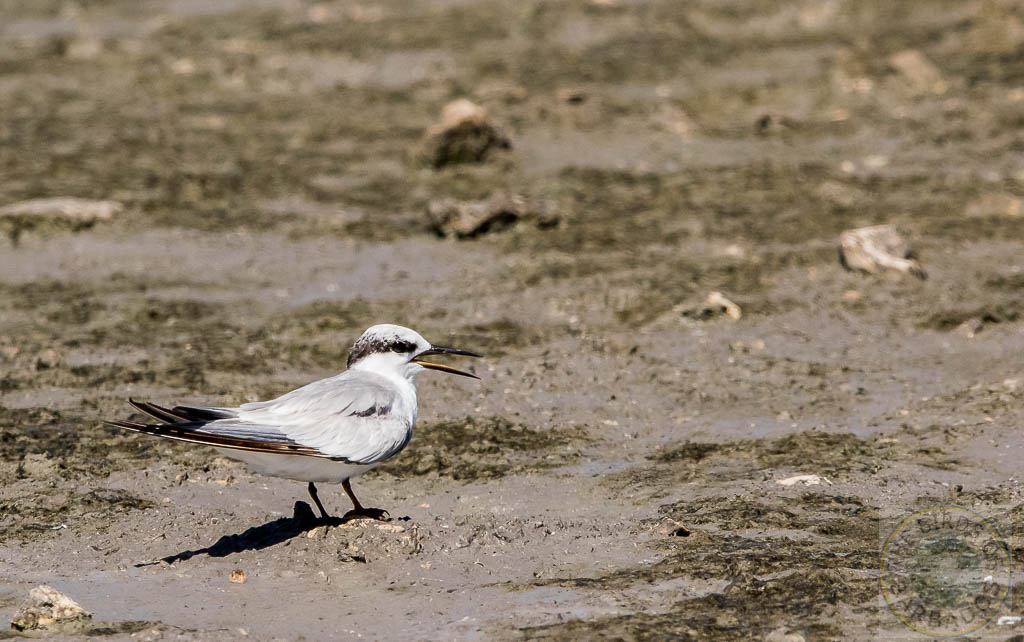
  • Least Tern (Sternula antillarum)* - at North Point on the 12th 

St. Andrew 

  • Lesser Black-backed Gull (Larus fuscus) - John saw one at the Walkers Reserve 
  • Gull-billed Tern (Gelochelidon nilotica)(2)- This pair was seen at various locations

St. Thomas
  • Striated Heron (Butorides striata) - after going missing for a few weeks this lone bird was back at the pond by SBRC, seen last month by Ed Massiah.

St. Philip 

Gull-billed Tern (FP)
  • Gull-billed Tern (Gelochelidon nilotica)*(2) - a single bird was first reported by John on August 29th but another one joined it in October and two were last seen on the 17th. 
  • Glossy Ibis (Plegadis falcinellus)* (7) - seen at a private location
  • Buff-breasted Sandpiper (Calidris subruficollis) - multiple appearance and a private wetland
  • Red Knot (Calidris canutus) - continue to visit the island throughout the year  
Christ Church
  • Yellow-billed Cuckoo (Coccyzus americanus) - seen at Paragon
  • Yellow-crowned Night Heron (Nyctanassa violacea)* - multiple sightings on south coast beaches. 
St. Michael
  • Lesser Black-backed Gull (Larus fuscus)(2) - at Pile Bay

Feel free to contact me, Julian Moore @ 100birdsbarbados@gmail.com, John Webster @ barbadosbirds@gmail.com, or Ed Massiah @ ebmassiah@hotmail.com to report any rare bird sightings, or if you need assistance identifying a bird, we would be happy to help.  A new tool to help with your local bird identification is our Facebook Group, The Birds of Barbados. Click here to join